The Role of Community in Yoga Practice
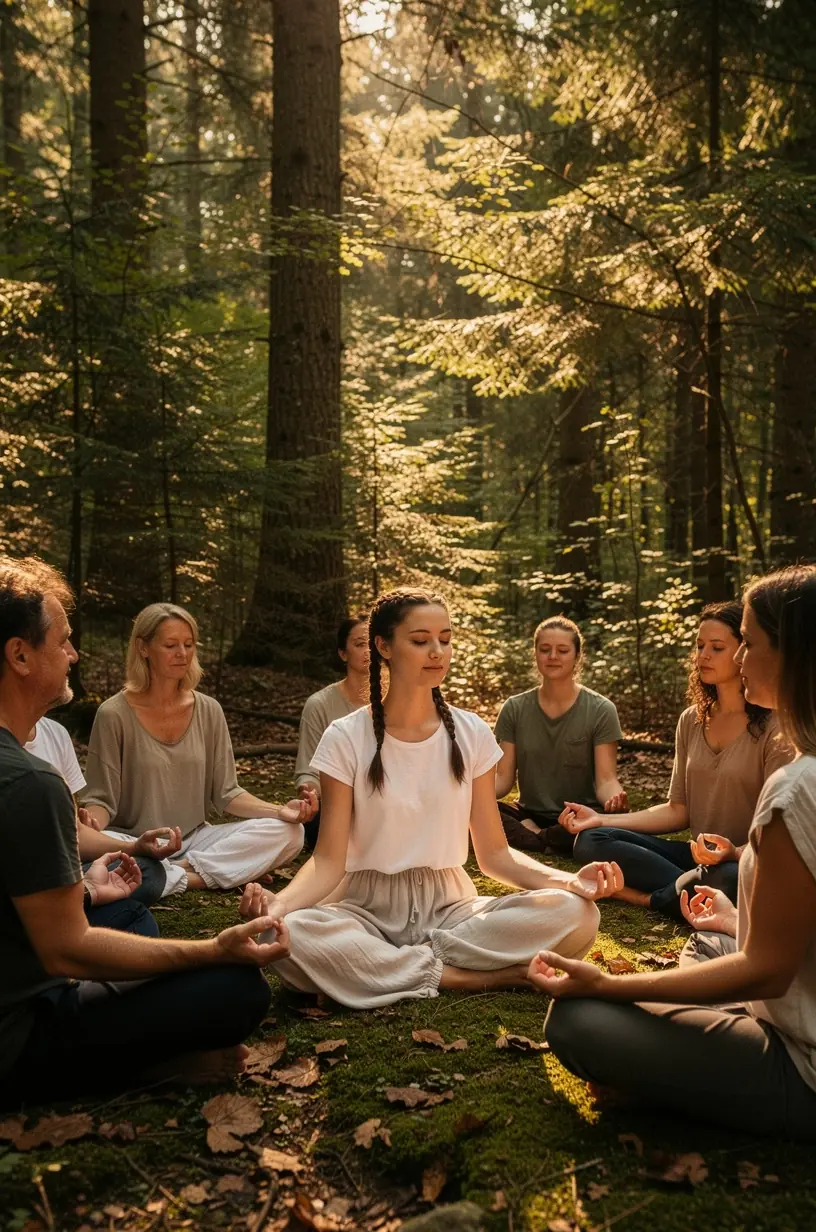
Yoga is not just a solitary practice; it's often enriched by the community surrounding it. Understanding the role of community in yoga can significantly enhance your experience and provide support on your wellness journey. This article explores how community can impact your yoga practice and why it's essential to consider when selecting a yoga studio.
Understanding the Community Aspect of Yoga
In yoga, community refers to the collective group of practitioners who come together, often in a physical space, to share their experiences, challenges, and growth. According to research published in the Journal of Health Psychology, social support significantly affects mental health, suggesting that group activities like yoga can enhance overall well-being. This works because practicing yoga within a group setting fosters connections and provides emotional support, which is vital for personal growth.
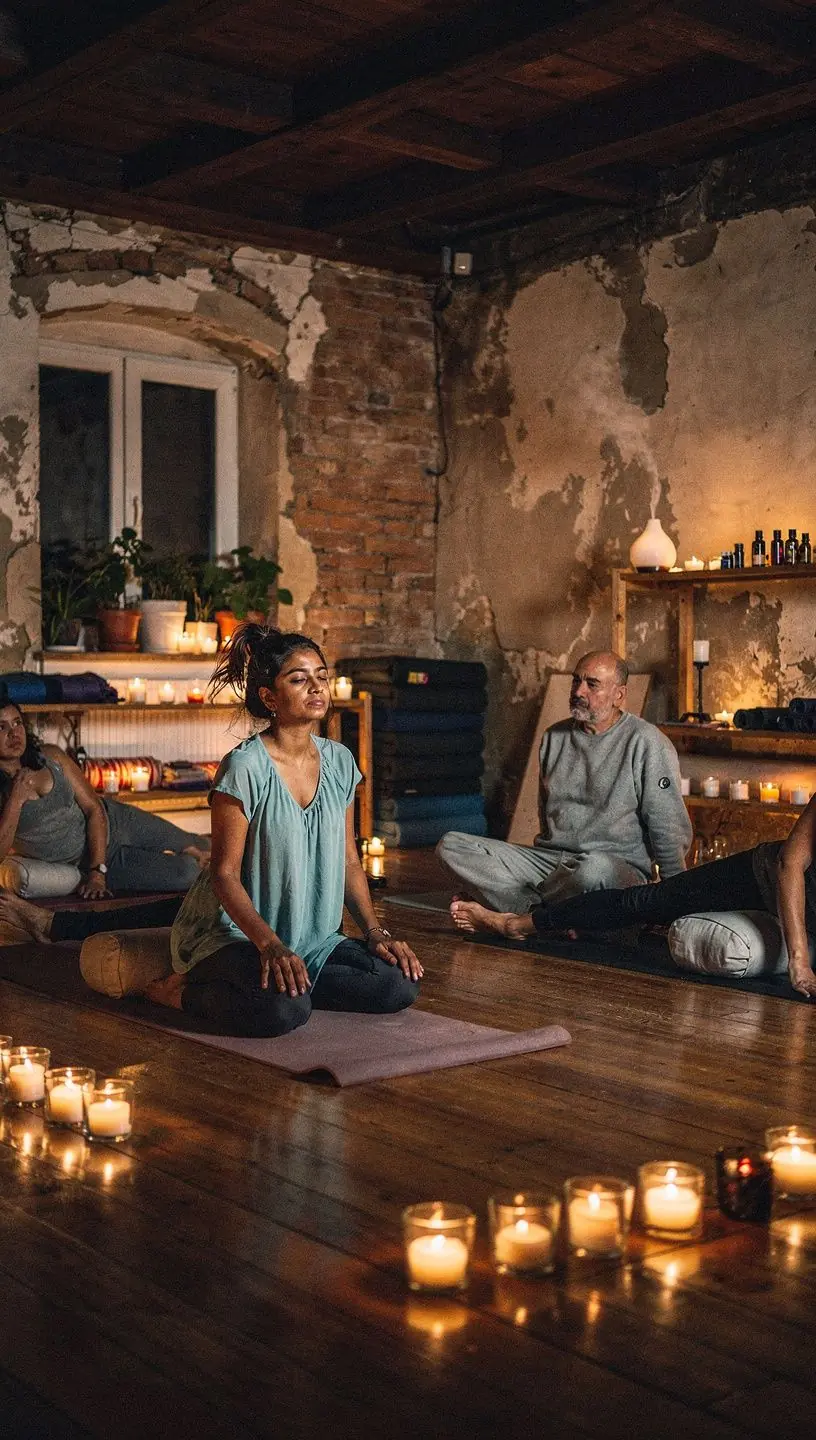
"Yoga can be a catalyst for building relationships, helping individuals feel more connected and supported in their wellness journeys."
The Benefits of Practicing Yoga in a Community
There are several reasons why practicing yoga in a community setting can be beneficial:
- Enhanced motivation: Many users report feeling more motivated to attend classes regularly when they are part of a group. This collective commitment can encourage individuals to maintain their practice.
- Shared experiences: Practicing with others often leads to shared experiences and discussions, which can result in deeper insights into one's practice and personal challenges.
- Accountability: Groups provide a sense of accountability. When individuals know others are expecting them, they are more likely to attend classes and stay committed to their wellness goals.
Building Connections Through Group Sessions
Group yoga sessions can be powerful for establishing connections. Often, these sessions feature elements designed to foster community, such as:
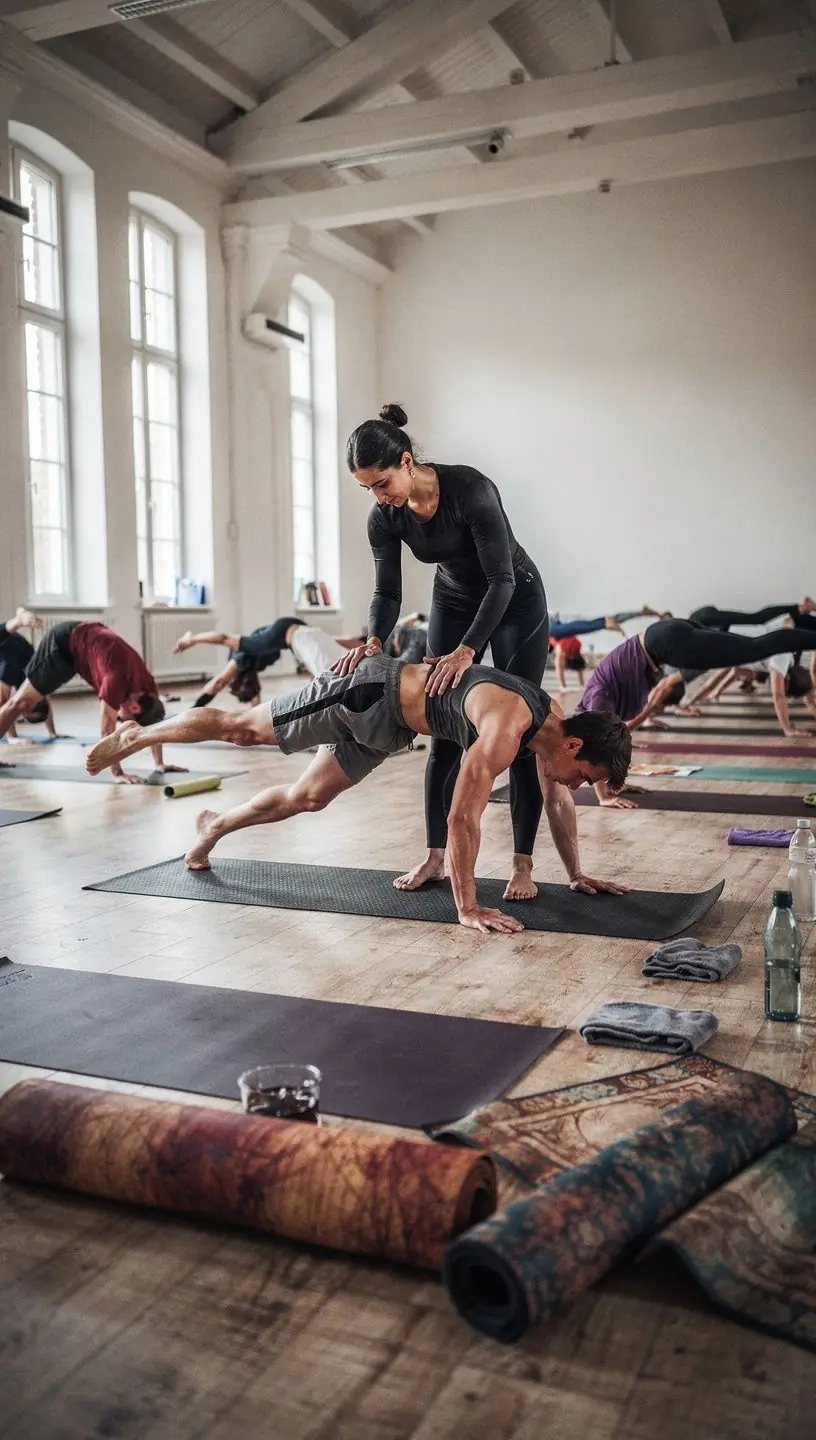
- Partner poses: Many classes incorporate partner work, which encourages interaction and trust between participants.
- Group discussions: Some studios offer discussions or workshops that allow practitioners to share their experiences and learn from one another.
- Social events: Many yoga studios organize social events, such as potlucks or community service projects, which help build bonds beyond the mat.
Challenges and Considerations
While the community aspect of yoga is generally positive, there are some considerations to keep in mind:
- Not all individuals thrive in group settings; some may prefer solitary practice. It's essential to find a balance that works for you.
- Community dynamics can vary widely, and sometimes, individuals may experience feelings of exclusion. Engaging with different groups may help find the right fit.
- Commitment to group classes may require a time investment, as building relationships takes time and effort.
Conclusion
The role of community in yoga practice is significant and multifaceted. By participating in group sessions and engaging with fellow practitioners, individuals can benefit from enhanced motivation, shared experiences, and a sense of accountability. However, it's essential to recognize personal preferences and the time commitment involved. Ultimately, embracing the community aspect of yoga can lead to a more fulfilling and enriching experience in your wellness journey.
Learn More