Practical Guide to Creating a Structured Wellness Program
Creating a structured wellness program can significantly enhance the experience for participants in yoga studios. This guide will walk you through the essential components of an effective program, incorporating evidence-based practices that can foster physical and mental well-being.
Understanding the Basics
A structured wellness program is designed to provide participants with a comprehensive approach to health that typically includes physical activities, nutritional guidance, and mental health support. According to research, programs that integrate multiple aspects of wellness can lead to improved overall health outcomes and higher satisfaction among participants.

"A holistic approach to wellness can boost engagement and retention rates in fitness programs." - Wellness Research Institute
Key Components of a Structured Wellness Program
When designing a wellness program, consider incorporating the following essential components:
- Physical Activities: Incorporate a variety of classes such as yoga, pilates, and strength training. Studies show that diverse exercise options can cater to different fitness levels and preferences, increasing participation.
- Nutritional Guidance: Providing access to nutritional education can often improve participants' dietary habits. Many users report feeling more energized and committed to their fitness goals when they receive this support.
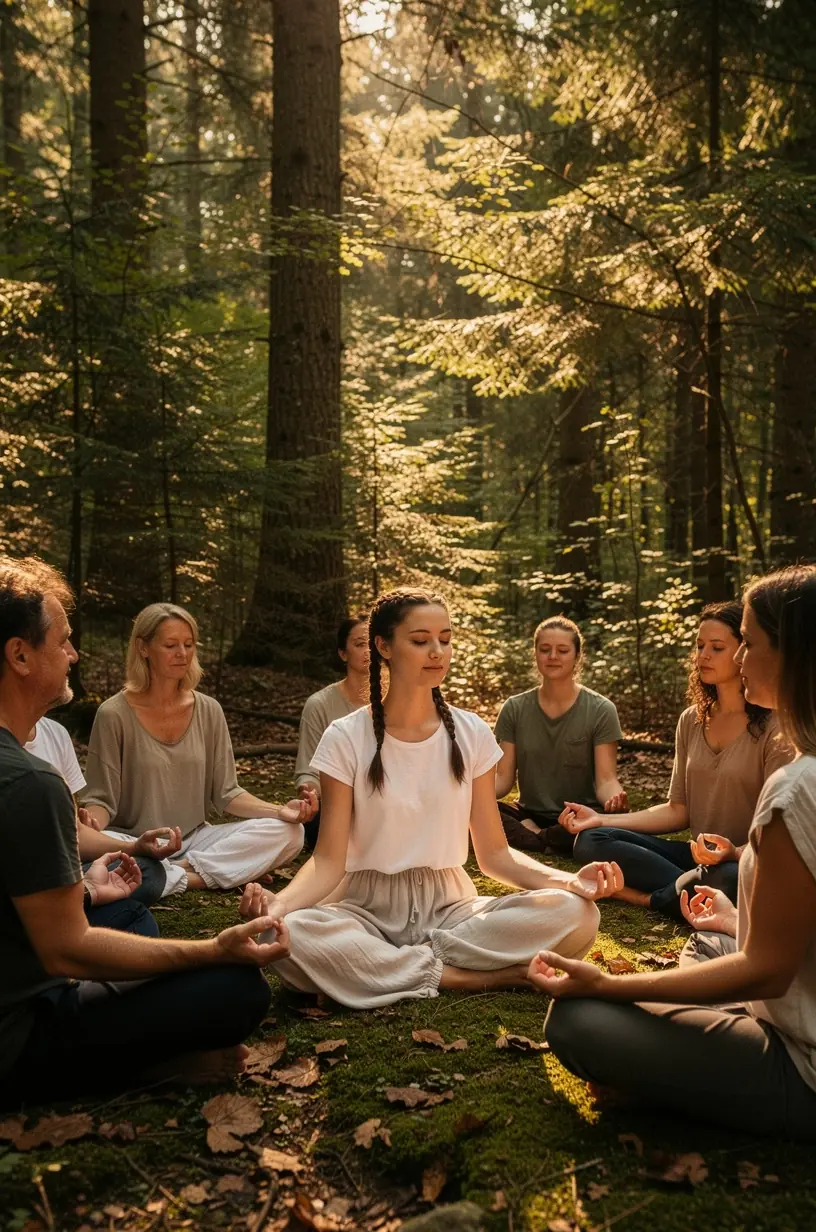
- Mental Health and Mindfulness: Integrating mindfulness practices, such as meditation, can enhance mental clarity and reduce stress. Experts recommend that programs include these elements for a balanced approach.
Steps to Implement Your Program
Implementing a structured wellness program involves several key steps:
- Assess Needs: Start by evaluating the needs and preferences of your participants. Surveys can help you understand what they are looking for in a wellness program.
- Set Clear Goals: Establish measurable objectives for your program. Research indicates that clear goals can enhance motivation and accountability.
- Design the Curriculum: Create a schedule that balances different wellness aspects. A typical program might run over several weeks, allowing participants to gradually build skills and habits.
- Evaluate and Adapt: Regularly review the program’s effectiveness through participant feedback and health outcomes. This iterative process ensures that your program remains relevant and effective.
Acknowledging Limitations
While structured wellness programs can be beneficial, it’s important to acknowledge the time and effort required. Many participants may need to commit to a regular schedule, often requiring 2-4 weeks to start seeing tangible results. Additionally, some individuals may find certain activities challenging, necessitating prior knowledge or experience.
Conclusion
Creating a structured wellness program in your yoga studio can provide valuable support to participants on their health journey. By educating first and focusing on realistic expectations, you can foster a community that values holistic well-being. Remember, the goal is to help participants thrive, not just physically but mentally and emotionally as well.